Product & venture strategy
HeyLilyProtection that preserves independence.
An AI assistant that screens scam calls for older adults. Our team built an Android app and a plan to reach users through senior-care organizations.
Course project · Android app & venture concept
Tools
 Figma
 Claude
- Claude Code
 ChatGPT
- Codex
 Gemini
The final pitch deck
Browse the slides here. Use the viewer’s fullscreen control for a closer look.
Try the interactive demos
The interactive prototypes on slides 7 and 8 don’t load inside the slide viewer, so you can try them here. Start one at a time; each can take up to 30 seconds to load.
Onboarding
Open in Figma (opens in a new tab)Screening
Open in Figma (opens in a new tab)A feature intended to reassure can feel intrusive.
In user research, older adults raised privacy concerns about bringing family into their calls, so we made Trusted Circle optional.
The lesson
Trusting a family member doesn’t give a product permission to involve them. A safety product has to let users decide how much help they want.
01 / CONTEXT
The problem
In 2025, Americans 60 and older filed 201,266 complaints with the FBI’s Internet Crime Complaint Center and reported $7.7 billion in losses, up 59% from the year before. AI is making these scams easier to run. Voice cloning can mimic the sound of a loved one in distress, and complaints involving AI accounted for more than $893 million in losses across all ages that year.
Older adults are a frequent target. The FBI notes that they tend to be trusting and polite, and often have savings, own a home, and have good credit. Scam calls turn that trust against them by creating urgency and impersonating someone familiar, like a grandchild, a bank, or a government agency.
Our team explored how AI could help older adults spot a suspicious call and decide what to do next while staying in control of their own phone.
Sources: FBI 2025 Internet Crime Report ↗ · FBI on why seniors are targeted ↗
02 / DISCOVERY
Who we talked to
15+ discovery interviews
Our team interviewed older adults and the assisted-living organizations that serve them.
WHAT WE HEARD
Technical setup was hard for many older adults.
WHAT WE DID
We designed a guided four-step setup.
WHAT WE HEARD
Many relied on a trusted family member for help.
WHAT WE DID
We built Trusted Circle so a family member could step in.
WHAT WE HEARD
They raised privacy concerns about bringing family into their calls.
WHAT WE DID
We made Trusted Circle optional, so the person being protected decides who gets involved.
WHAT WE HEARD
Many had limited disposable income.
WHAT WE DID
We kept a free tier and planned to reach users through senior-care organizations that pay per resident.
03 / JUDGMENT
The key decision
Trusted Circle, our family-support feature, started as a core part of HeyLily. We assumed that involving a family member would make users feel safer. User research with older adults challenged that assumption: they raised privacy concerns about family involvement. We made the feature optional, so the person being protected decides whether a trusted contact gets involved.
04 / REFLECTION
Outcome & learning
Our 11-person team built an Android app and a Figma prototype. We also wrote a go-to-market plan that reaches users through senior-care organizations (a B2B2C model, business to business to consumer), a pricing strategy, a PRFAQ (Amazon’s press release and FAQ format), a financial model, and the final pitch. We presented at Pioneer Square Labs, and GeekWire included HeyLily in its coverage of the UW student pitches.
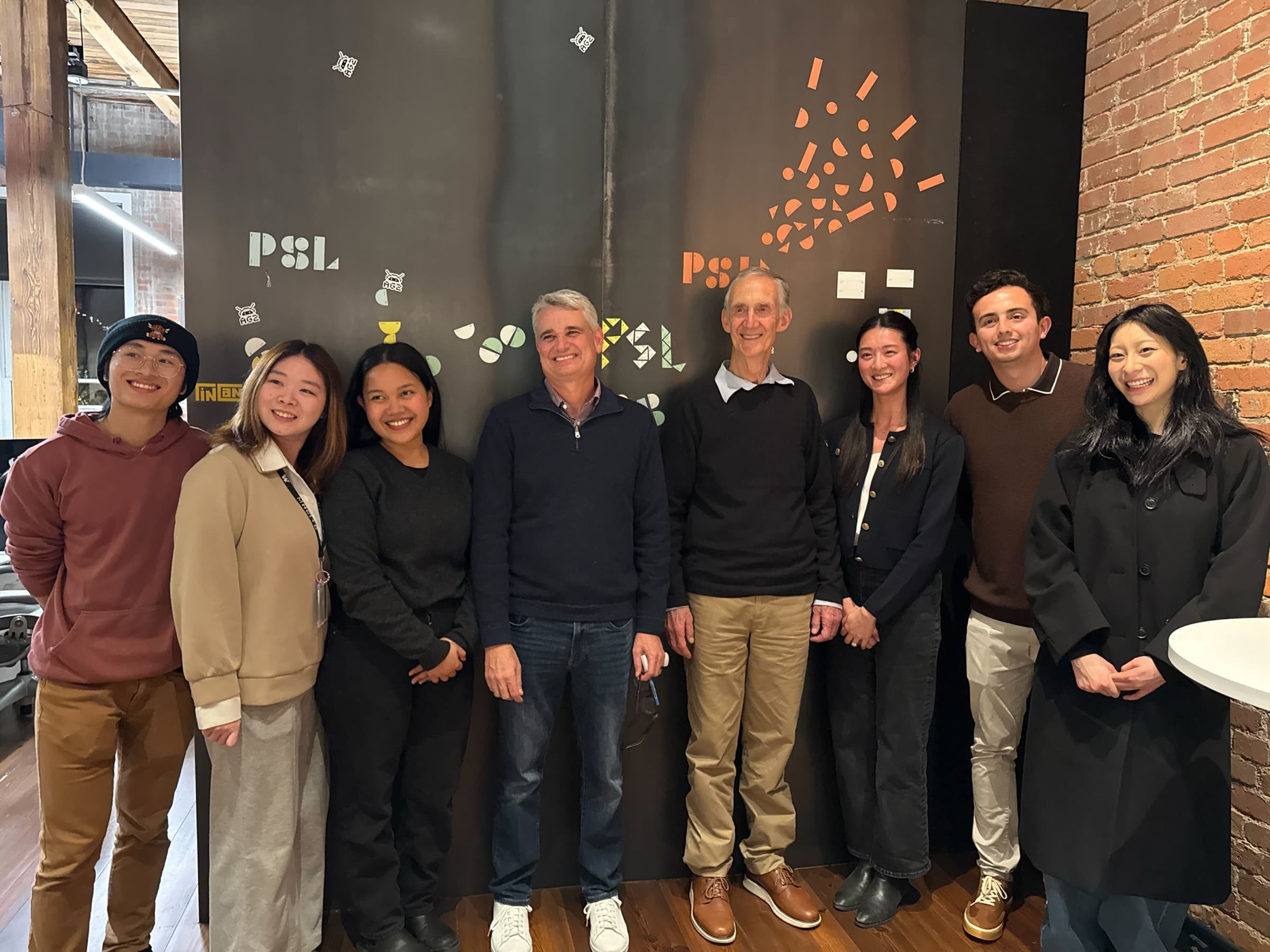
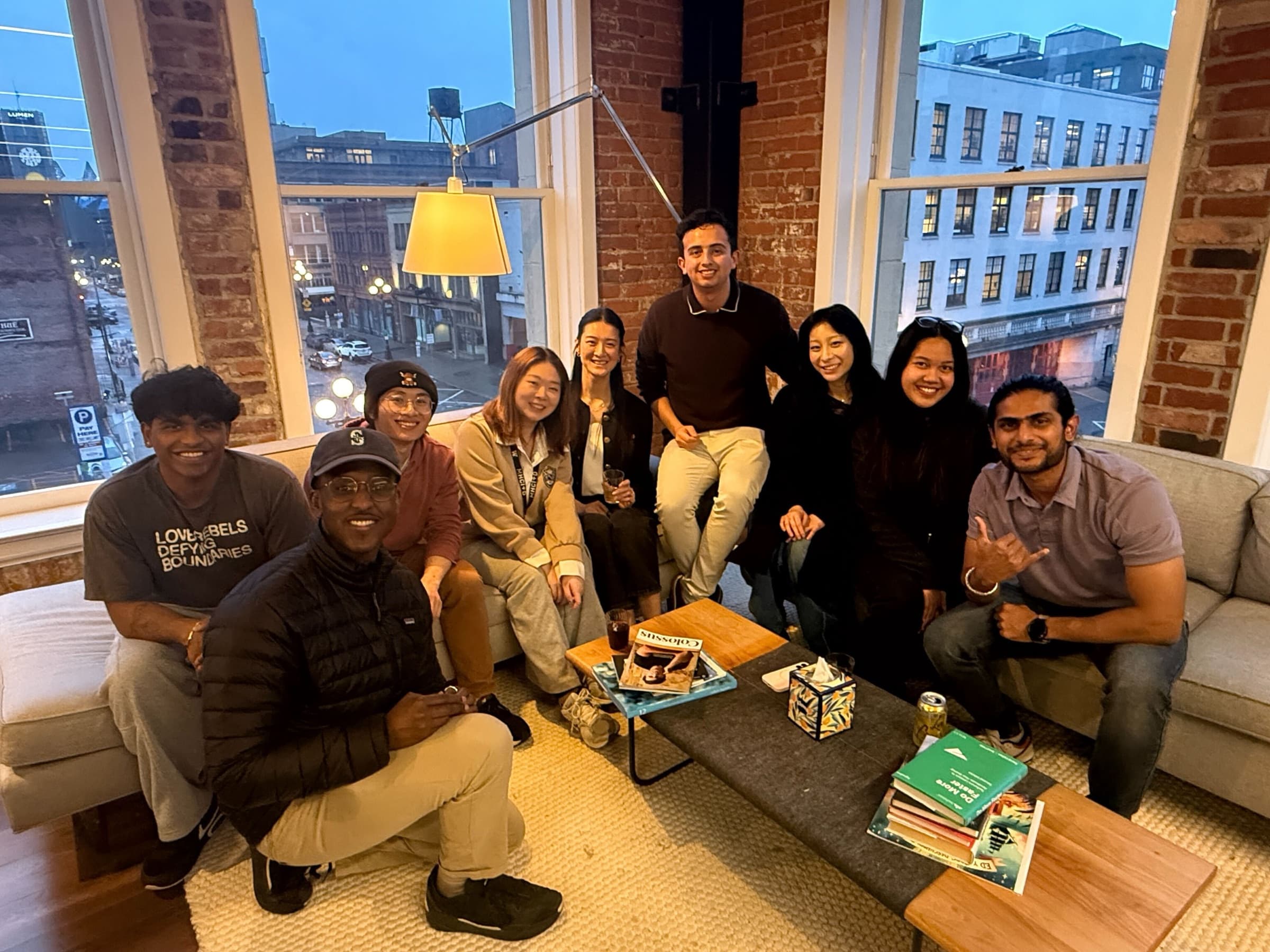
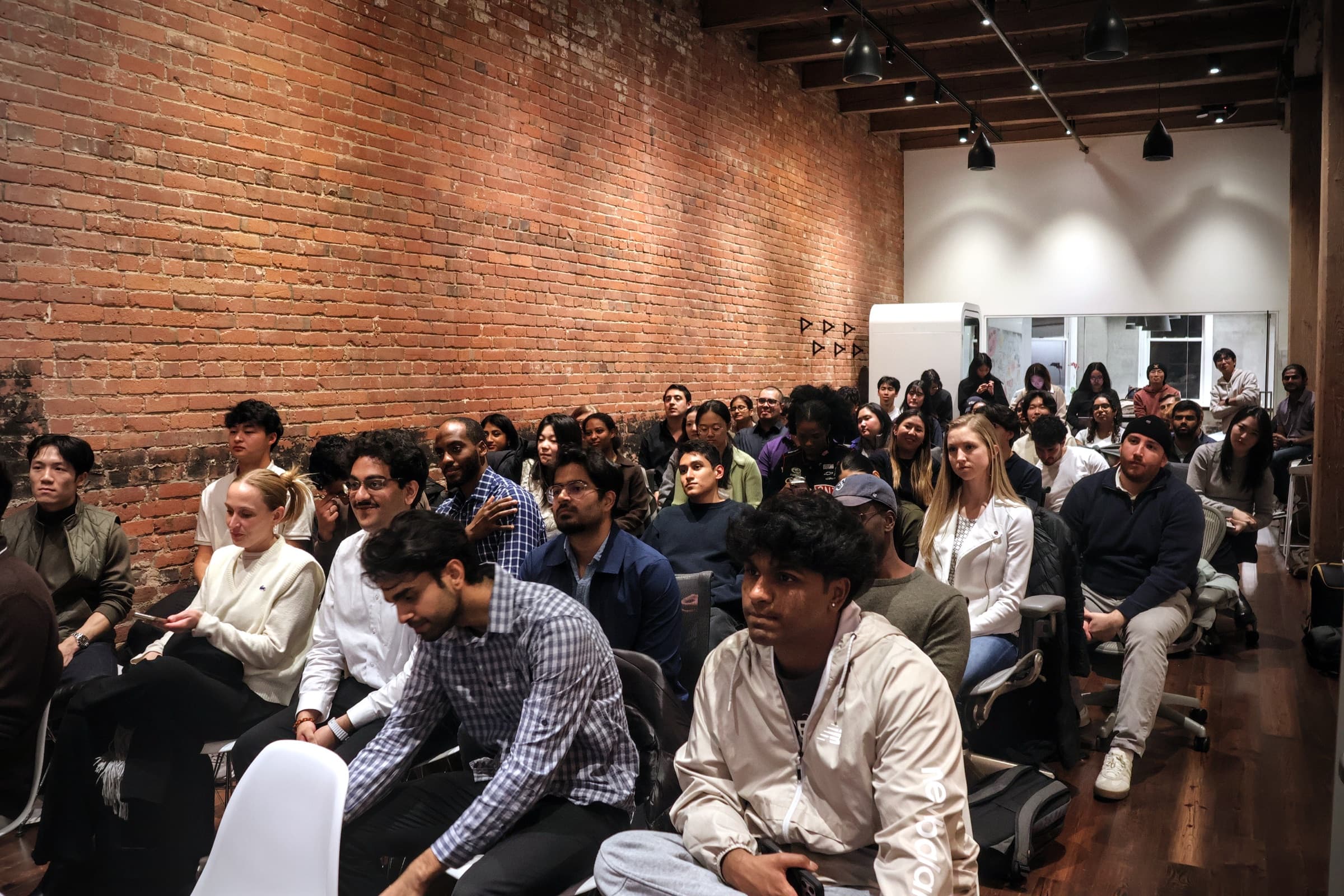
Team & demo day
We brought HeyLily to demo day at Pioneer Square Labs, presenting the work we developed across design, engineering, and business.
Explore the project
The documents below go deeper than this page.
- View the pitch deck above
Browse the product concept, design demos, pricing, and venture strategy directly on this page.
- Read the working-backwards press release
PDF · An imagined launch announcement describing the customer experience we wanted to create.
- Explore the financial model
Excel · Planning assumptions, projections, cash flow, and sensitivity scenarios.
A closer look
My contribution & the team’s deliverables
I did customer research, worked on user needs and product requirements, and worked through features with our engineers and designers. In the pitch, my role covered product, business strategy, and financials, including the financial model and the fundraising strategy.
The Android app, design prototype, business strategy, and PRFAQ (Amazon’s press release and FAQ format) came from the whole 11-person team.
Product concept & competitive landscape
We designed HeyLily to screen unknown callers, ask their name and reason for calling, analyze language and voice signals, and present a call summary. The intended experience included plain-language warnings and practical next steps, such as ending a suspicious call or verifying it through a saved number. Users would choose whether to involve a trusted contact.
We compared HeyLily with Hiya AI Phone, Truecaller AI Assistant, T-Mobile Scam Shield, and iPhone Live Voicemail as they stood during the course. Our direction focused on guiding users during a suspicious call and letting them control who else gets involved.
The screens on this page come from our Figma prototype, not the Android app.
Go-to-market: reach seniors through trusted channels
We planned to start with senior-care organizations, which offered a route to users and a setting for pilots. Caregiver and direct-to-consumer adoption would follow, and later banks and insurance providers could become distribution channels.
Our financial model combines two revenue streams. Community organizations pay a monthly lease per resident, and a free tier introduces individual users to paid protection. These channels were the plan we pitched, not signed partnerships.
Financial modeling & fundraising strategy
I built the financial model with help from Claude, and I developed the fundraising strategy for the pitch, which asked investors for a $2 million seed round.
I modeled a $5 per resident monthly community lease alongside free, individual, and family subscriptions. From there I built 12-month projections, a three-year P&L, cash flow, and a sensitivity analysis.
We considered several prices for individual protection: $100 per year in the pitch, $120 in the financial model, and a $109 alternative. We never settled on a final price.
The revenue, retention, and exit scenarios in the model are forecasts.
| Plan | Final pitch | Financial model input |
|---|---|---|
| Free | $0 | $0 |
| Protected | $100 / year | $120 / year |
| Family · 4 users | $240 / year | $240 / year |
| Community lease | Not priced on pricing slide | $5 / resident / month |
Working backwards with the PRFAQ
We used Amazon’s working-backwards method: write the launch announcement first, then decide how to build the product. Ours described layered call protection, clear guidance during a call, and optional help from a trusted contact. Writing it first made the value proposition concrete before we talked about implementation.
The launch and customer quotes in the announcement are imagined. HeyLily stayed a course project.
Pitch & press coverage
On March 12, 2026, GeekWire covered the final investor pitches from the UW entrepreneurship course at Pioneer Square Labs and described HeyLily as an AI product for detecting scam calls.